Philosophy for Everyday Life

I published the essay “Philosophy for Everyday Life” in Journal of Philosophy of Life.

Abstract: The aim of this essay is two-sided. The first is to illustrate to what extent philosophy can contribute to our everyday living. The second is to illustrate how. The implicit thesis that I try to unfold in this experimental essay is that these two sides—what and how—constantly intermingle. Although the philosophical approach takes its inspiration from the French philosophers Gilles Deleuze and Michel Serres, as well as from modern secular mindfulness, the main consideration in any philosophy that contributes to our life must be the coherency of our approach to life. Philosophy is a way of relating to life, which, among other things, requires awareness. This essay, therefore, does not present a single way of living that is beneficial but instead advocates a form of life that is philosophical.

You can read the complete essay here.

Move to Mars

In The Practice of the Wild, the poet Gary Snyder writes, ”The world is our conscious, and it surrounds us. There are more things in mind, in imagination, than ‘you’ can keep track of – thoughts, memories, images, angers, delights, rise unbidden.”

We are formed by the world. It resembles the mystery of our minds. Still, the world is suffering: Water shortage. Climate chaos. Mass poverty. Mass migration. Terrorism. Financial greed. And so forth.

What to do? In the same essay, Snyder stresses, ”An ethical life is one that is mindful.” Becoming mindful is the challenge.

Of course, we all know it. The world — our planet — needs our care to survive. Yet, it seems as if the planet is wrapped more in sweet and symbolic words than actual concrete actions. Saving the planet has become a moralistic quest. We have forgotten, “the shared ground of our common biological being,” as Snyder writes, that is to say; you have more in common with a lion than what differentiates you from it.

Saving the planet is our responsibility, some say. Some even wants to save it, because they feel guilty. They are concerned about the fear of suffering from future guilt, as when our kids or our friends kids confront us, “Why didn’t you do anything?” However, guilt, fear, and responsibility … I am not sure that it works. At least it doesn’t seem like it’s working. Instead, I suggest that we save the planet out of love.

It’s that simple. We need the planet because we love the sun, the rain, and the wind. We need the planet because we love how we are connected with every being that breathes. We need the planet because we live here; our memories, love stories and miseries are embedded here. We don’t love the planet because we need it for something as vague as career, status or prestige.

Out of love. That’s the best intention for everything. Out of love we plant small seeds, then we nurture them, take care of them, and we do so because deep down we know that survival of the fittest doesn’t rule the world (only capitalism works that way). On the contrary, in life it’s compassion, care, and love that rules. It’s because I care that some life will go on living.

Do you care?

An ethical life is mindful, well, a mindful life is one that tries to live here and now in our bodies. Here and now is also how Gilles Deleuze and Félix Guattari defined utopia in What Is Philosophy?, ”Utopia does not split off from infinite movement: etymologica1ly it stands for absolute deterritorialization but always at the critical point at which it is connected with the present relative milieu, and espe­cially with the forces stifled by this milieu, Erewhon, the word used by Samuel Butler, refers not only to no-where but also to now-here.”

Utopia. Nowhere is always now and here. We don’t need more contemplation, not even higher ideals or moral categories. Rather we need to connect with the present. Becoming more mindful. Mindfulness of the body, for example, can be practiced by watching the breath when goes in and out, listening to the sounds, noticing the smells in the air, becoming aware of what we put in our mouth. Awareness is the key, not judgment. Mind and body are indistinguishable like Alberto Contador and his bike.

To love is not an intellectual project. Don’t your lips shiver when you kiss your lover? Do you love your kids out of responsibility? Out of guilt? No, because that’s not love. You love them because you love them.

Don’t you love the place where you live? If not … move to Mars.

For more on mindful philosophy, I have published the essay “Philosophy of Everyday Life” in the Journal of Philosophy of Life.

The Spirit of Meditation

In recent years, there has been a growing interest in Buddhism and mindfulness meditation as well as some new-age philosophies that are often nothing more than pale imitations of Buddhist techniques. The interest is obvious. We live in an achievement-orientated, performance based culture and we are constantly forced, and even force ourselves to do something, and to set new goals and so forth. The result is that we become less aware and experience more narcissism, stress and depression.

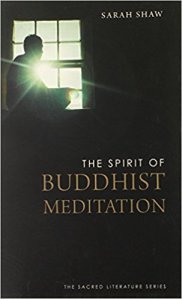
In Sarah Shaw’s The Spirit of Buddhist Meditation we are told “When the mind is restless, that it is time to develop the factor of awakening that is tranquility, the factor of awakening that is concentration and the factor of awakening that is equanimity.”

Meditation can in other words, help us to become more mindful. “Mindfulness is the true refuge of the mind, mindfulness is manifested as protection, and there is no exerting or restraining of the mind without mindfulness.”

After I finished reading this book I didn’t know whether I should be impressed by or doubtful of all those people who claim to be mindful, because it requires diligence and self-control. It’s certainly hard work.

For those who are interested in Buddhism it can — especially for newcomers — be difficult to separate the wheat from the chaff (such as much of New Age thinking). As Shaw stresses, “a good tradition, teacher and friends, along with text, are the best ways of finding out about meditation for oneself.” Shaw is a knowledgeable teacher and a caring friend.

She deals solely with the Buddhist tradition, although that doesn’t mean that she is critical towards the important contribution to mindfulness made by Jon Kabat-Zinn and others, it is simply that her focus lies elsewhere. Shaw wants to show us how the texts have always been an important part of sharing Buddhist practices. In addition, she attempts to illustrate that Buddhism compared to other religions is less dogmatic. Rather it consists of good advice that comes from experience, or to put it differently: if one wants to wake up, then it is not enough to believe, one must act, and for example, meditate.

The Spirit of Buddhist Meditation can, therefore, be viewed as a rich introduction to the multiplicity of Buddhism, but also — and perhaps more likely — as a thorough guide for the more experienced meditators, or those who are already familiar with the philosophy of Buddhism. The book is littered with illuminating phrases, such as “What is required is that we try to live here and now ‘in our bodies'” — “You breathe in and out all day and night, but you are never mindful of it, you never for a second concentrate your mind on it. Now you are going to do just this” — “if we cannot control our minds, it will be impossible to control our actions and speech.”

A wide range of Buddhist writings on meditation are investigated and those already familiar with reading original Buddhist texts will appreciate the mixture of anecdotes, practical tips and endless repetitions within the same text. Sometimes this repetition can become a little boring unless, of course, one really pays attention to the minor differences that the text unfolds. Perhaps, the texts are written like that on purpose to cultivate our awareness.

Another reason for the repetition is that many of the texts come from an oral culture where the teacher would chant aloud. This of course explains why the reading can, at times, be a challenge. It is like listening to a love song on the stereo. Without the instruments, the rhythm and pauses, the experience can often seem more flat.

The Spirit of Buddhist Meditation explains the eight fold path of meditation, how meditation is practiced (sitting, standing, walking) and provides instructions on how to breathe, explaining why breathing is the foundation of a spiritual practice. (I may add that the word spirit comes from the Latin spiritus, which is a translation of the Greek pneuma, meaning breath). We also learn why there is no sane reason for clinging on to anything. The goal of Buddhism is to release one from the cycle of existence (Nibbána) and here the meditator enters a sphere of nothingness where, if you believe it, birth is caused by death. However, if you don’t believe in reincarnation, and I am skeptical; then you can still be open-minded and admit that we do not know for sure what happens when we die. For most meditators though, the experience of death may be beyond reach unless a life lived in retreats is desired. Despite this, with some practice and guidance it may be possible to experience that “space is infinite”, even though this concept can make most people feel dizzy thinking about it. If this is possible, then we may also understand that “consciousness is infinite.”

Everything is interconnected but this is not only a Buddhist idea as it can also be found in ecological thinking, or in the works of Spinoza or Deleuze. We may cultivate an experience through meditations. Again, the point of Shaw’s study is not the engage with other philosophies or psychological traditions, but to show the richness within the Buddhist tradition.

The Spirit of Buddhist Meditation will most likely attract people who already meditate, or those who would like to do so. However, it can also serve as a useful introduction to Buddhism in general, as well as act as an inspiration for people who work in the growing service industry, helping people recover from the negative effects of modern day capitalism.

41+3KAc1LmL._SX301_BO1,204,203,200_

Published in Metapsychology (Volume 19, Issue 23).

True Detective

I have published the essay, True Detective: Pessimism, Buddhism or Philosophy?
The aim of this essay is to raise two questions. The first question is: How is pessimism related to Buddhism (and vice versa)? The second question is: What relation does an immanent philosophy have to pessimism and Buddhism, if any? Using True Detective, an American television crime drama, as my point of departure, first I will outline some of the likenesses between Buddhism and pessimism. At the same time, I will show how the conduct of one of the main characters in True Detective resembles the paths of Buddhism and pessimism, even though he is ethical in a strictly non-pessimistic and non-Buddhist fashion. Last, I will try to place these findings in perspective through the French philosopher Gilles Deleuze’s thoughts. Hereby, I hope to illustrate that joy, not suffering, is basic to human existence, and how human beings may overcome a spiritual pessimism.
Read more here.

Stillhet

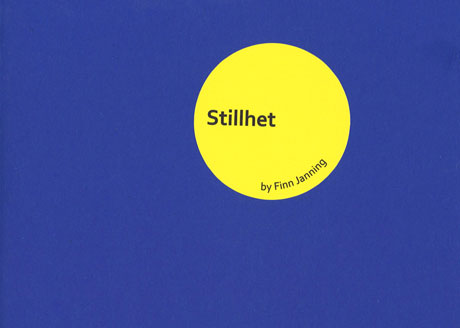
Today I am out with a small booklet entitled “Stillhet” (Silence). It’s a philosophical essay written after a twenty day pilgrimage that I took with the artist Jeppe Hein this year in Norway.

The essay is a sidekick for the main event: Hein’s exhibition at Galleri Nicolai Wallner. See more here.

The essay (with illustrations by Jeppe Hein) can be downloaded here.

Stillhet

Sant Jordi – den legemliggjorte

Det fortælles at ridderen Sant Jordi red videre efter at have reddet prinsessen fra dragen. Hvor hen, ved ingen. Nogle hævder dog, at han blev hængende, og fik det halve kongerige, som det hører sig til i eventyrene. Jeg ved det ikke. Der er noget heroisk i begge historier.

Sant Jordi også kaldet Sankt Jørgen er mere end ridderen, som redder hele byen – og prinsessen – fra den modbydelige drages gab. I den spanske region Catalonien er han den symbolske figur per se. Han bekæmper ikke kun dragen, men undertykkelse og frygt. Sant Jordi er ridderen, der vil Cataloniens selvstændighed. Han er en del af løsrivelsesprocessen. Efter at have spiddet dragen med sit spyd, dyppede han sine fingre i dens varme blod, og kørte fire blodige fingre henover ørkenens gule sand. Resultat: Fire røde striber på en gul baggrund, nøjagtigt som i det catalanske flag. Senere voksede en masse smukke roser op.

Hvorfor nu Sant Jordi? Skal det handle om eventyr? Nej, i hvert fald ikke mere end det plejer.

Dagen i dag er også bøgernes dag. Det er dagen, hvor selveste romanens fader Cervantes blev født, hvor Shakespeare døde (eller blev født, er lidt i tvivl). Det er dagen, hvor alle skoler i Catalonien afholder en poesi-konkurrence. Det er dagen, hvor mændene køber en rose til pigerne, mens damerne køber en bog til drengene. Det lyder sikkert sexistisk og meget forkert, men byen dufter af roser og er fuld af bøger. Det er ikke en kun en dag, hvor en forfatter kan være glad, men alle, der kan lide at læse og dufte og se på noget smukt, bliver berørt – især, når solen så også skinner.

Sant Jordi legemliggør den catalanske frihedskamp. Det er dog ikke den politiske debat, som jeg vil berøre, men begrebet legemliggøre.

I bogen The Embodied Mind foretager forfatterne Francisco Varela, Evan Thompson og Eleanor Rosch en af de første filosofiske læsninger af buddhismen. De sætter filosofisk ”kød” på begrebet mindfulness, som de definerer mere eller mindre som opmærksomhed. Mindfulness er et begreb, der desværre har det med at blive misbrugt i management og selvhjælpslitteratur, fordi opmærksomheden pludselig bliver strategisk. Opmærksom på noget.

Bogens filosofiske udgangspunkt er Merleau-Ponty, der definerer begrebet legemliggørelse (eller inkarnation), som noget der både omfatter kroppen, som en levet og eksperimenterende struktur, og kroppen, som konteksten for ens kognitive mekanismer. Sagt anderledes: Livet sætter sig i kødet på os. Afhængigt af konteksten.

Et eksempel: Lige nu hyperventilerer jeg. Det er underligt, idet jeg sidder ned. Havde jeg derimod lige været ude og løbe, ville konteksten have været anderledes. Selvfølgelig kan min åndedragsfrekvens også skyldes for meget kaffe, at jeg skal undervise på spansk, at jeg lige har set Zlatan nøgen i en reklame … kontekst. Hvordan er hvad muligt?

Mindfulness betyder at kroppen er nærværende i legemliggjorte erfaringer.

I bogen kæder forfatterne, som nævnt, ideen om mindfulness tæt sammen med opmærksomhed. Apropos opmærksomhed, så sagde Henry Miller at opmærksomhed var den bedste etik, ligesom det var den vigtigste kapacitet for en forfatter. Jeg er enig. Flere kunne nævnes, men ikke her. Pay attention. Når vi er opmærksomme, bliver vi mindful, det vil sige vi erfarer, hvad sindet eller vores tanker gør, mens den gør det. Det handler om at blive nutidig eller nærværende i ens tanke. Det handler altså ikke om refleksion eller abstraktion. Det handler ikke om tankens tanke. Det handler ikke om at træde ud af sine tanker og evaluere disse i forhold til et ideal. Det handler i bund og grund om at bringe kroppen og tanken sammen. ”To be mindful of the mind as it takes its own course,” som de så smukt skriver.

En anden måde at forstå mindfulness på er ved at relatere det til Descartes berømte udsagn: Jeg tænker, derfor er jeg. Problemet for buddhisten er, at Descartes konkluderer, det vil sige at han træder ud af tanken i stedet for at blive i processen. Noget tænker. Basta. Tilsvarende kunne man sige, at bevidsthed er noget, og ikke om noget. Det er også her at selvet forsvinder. Buddhismen fortæller dog ikke, at du ikke må tro, at du besidder et selv eller ej. Ingen er stædige. Snarere påpeger de, at ens ekstreme opmærksomhed tydeliggør, at der ikke er et anker, en essens for hvad ”jeg” tænker. Selvet er noget blivende, noget som sker. Det er ikke mig, som tænker, men noget som lægger an på mig. Jeg er noget tænkt. Jeg formes.

At tænke er en måde at blive mere opmærksom på. Uden andet formål end opmærksomhed på det, som finder sted. Det er blandt andet det, som skriften kan. Den findes. Den bevæger sig. Udvikler sig. Den ånder. Nogle gange kan den præcist levendegøre noget, hvorved det bliver muligt at dele erfaringer, idet der skabes rum for ens erfaringsdannelse i kraft af sproget. Sproget er opmærksomt.

Det hele er ifølge bogens forfattere et spørgsmål om sansning. Tanken er den sjette sans. Det er ikke kun kvinder, som besidder en sjette sans. (Med mindre man mener, at kun kvinder tænker). Det gør alle, som tænker. Tanken er afhængig af kontakt. Sant Jordis blodige hånd smelter sammen med jorden. Han berøres og røres; påvirkes og påvirker. Det tørre sand befrugtes med det mest livgivende: blod. Sant Jordi rækker livet videre. Han ser, hører, smager, lugter og rør, men han tænker også. Tanken er den erfaring, som rækkes videre. Den erfaring som siger, at kun kærligheden kan matche døden, at kærligheden er den eneste mulige protest mod dødeligheden. Sant Jordi legemliggør livet.

Det fortælles dog ikke, at Sant Jordi af samme grund også er større end det catalanske projekt. I hvert fald symbolsk.

Bogen er en fin indføring i mindfulness i en filosofisk kontekst. Enkelte steder er den lidt outdated, fx i afsnittene om kognition. At den halter lidt er dog ikke bogens skyld, men min. Min omtale af bogen er outdated, The Embodied Mind udkom i 1991. Dengang havde jeg ikke hørt om Merleau-Ponty eller budisme, men ikke desto mindre indset, at jeg er min krop.

Blog at WordPress.com.

Up ↑