Mindfulness in Rome

May 11 – 15, 2016: 2nd International Conference on Mindfulness, Sapienza University of Rome. See here the website of the event.

Among the many interesting presentations, I presented the paper entitled Mindfulness as an Ethical Practice.

In this paper, I ask two questions. The first is: What is an ethical practice? The second question is: Is mindfulness an ethical practice? My ultimate concern, however, is the possible link between the two issues: What relationship does mindfulness have with ethics? To answer these questions, I first draw on three ethical theories from the Western history of philosophy—Spinoza, Nietzsche, and Deleuze—to define ethics as a particular way of being. Then, I integrate and compare some significant elements from these ethics with the practice of mindfulness, mainly as Jon Kabat-Zinn defines it. This is done to clarify to what extent mindfulness is an ethical practice. My study reveals that not only can mindfulness be viewed as a classical ethical practice (as understood in a Western philosophical context), but—and perhaps more surprising—mindfulness is closer to some Western ethics than to Buddhism, e.g., regarding whether “the Good” is known beforehand, whether ethics is an immanent or transcendent practice, and whether ethics is a judgmental or nonjudgmental practice. Finally, I briefly discuss the ways in which Western philosophy can shed new light on mindfulness.


Why do I suffer?

Why do I suffer? In asking and answering this question, I may be mistaken with respect to the reasons for my suffering–for example, due to lack of knowledge, or to clever ways of deceiving myself. Yet, I can’t doubt the utterance. It’s there, expressed and alive.

In the book Self-Knowledge and Self-Deception, the philosopher Hugo Strandberg analyzes what we mean when we ask the question, “Who am I?” This classical question opens up the potential for a critical self-examination that is also a moral examination. For me to know who I am, I take myself as the object of my investigation, knowing, of course, that both “I” as the subject and “I” as the object will change during the process of living. The “philosopher’s knowledge,” he writes, “is then self-knowledge, and self-knowledge is not knowledge about just another object in the world but about my alleged knowledge of the world.” In other words, self-knowledge is knowledge about my relationship with (or relationships in) the world.

Therefore, by looking more thoroughly at these relationships, I may discover that there are things I don’t know. I might become aware of my lack of knowledge.

“Self-knowledge is not one thing,” the author states” (Strandberg 14). It’s a concept related with many other questions that emerge during my life. “Self-knowledge is a moral question” (24) It is a matter of befriending myself, as Strandberg writes, referring to Seneca. In other words, getting to know who I am is an ongoing dance between the two concepts of “self-knowledge” and “self-deception”. Self-deception, according to Strandberg, is a moral phenomenon, a mixture of knowing and not knowing, but always in a moral sense. To emphasize this point, he relates the idea of self-deception with remorse; if things “should” be seen differently, then “this ‘should’ is given by the perspective of remorse itself.”

The correlation of self-deception with remorse is quite innovative because it helps Strandberg to illustrate how “self-deception shows that I am morally split.” For this reason it is difficult to answer the question “Who am I?” The whole book is a reflection about what it actually means to answer this question.

For example, one question related to “Who am I?” would be to ask whether the self is something fixed, or something created that changes as one lives? The problem with the fascinating idea that we create our selves is, as Iris Murdoch is quoted for saying, “man is a creature who makes pictures of himself and then come to resemble them” (67). So, it may be morally good if the picture I paint about myself is good according to the consensus, but I may still deceive myself in the process. Perhaps I am just suffering from group pressure; i.e., I do not have the courage to live out what I already know about myself.

Self-Knowledge and Self-Deception, while well written and engaging, is a scholarly work filled with references and requires close attention on the part of the reader. This is nice in a time where many books try to popularize concepts at the risk of losing scholarly rigor or precision. The chapter “The True Self” could be useful to study for all those in the self-help industry who wish to improve people’s self-image and sense of self-worth. Arendt, Descartes, MacIntyre, Kierkegaard, and Sartre–among others–show up. Personally, I enjoyed seeing Sartre back and being incorporated into the philosophical dialogue.

I believe that, ultimately, one asks “Who am I?” in relation to another question: what does it mean to live. For Strandberg, the answer is related to my will to pay attention or not pay attention to something specific (for example, living up to certain moral ideals or not). Contrary to the state of not paying attention (and the lack of awareness that comes with this), a well-developed attention allows the self to dissolve or become “who one is” with the world.  This leads Strandberg to suggest that the answer to the question “Who am I?” is answered by the way we live–perhaps the question is not even asked.

To return to the topic of remorse, Strandberg argues that remorse is the distance between self-knowledge and self-deception that can be reduced by love. To put this into romantic terms, it is when I am not following my heart that I experience moments of regret.

I began this review by asking, “Why do I suffer?” To answer this properly– following Strandberg–I need to be open to others and befriend others and myself with love and compassion. I may then realize that my suffering is related with my relationship with the world. The point is that “goodness constitutes me in a way badness does not, and when I treat someone badly this does not mean that I become, or some part of me becomes, fully evil, for that would mean that full moral badness would be possible, that is, that badness would be possible without self-deception. This goodness which constitutes me in a way badness does not is non-determinable, is openness to others, and is love and friendship, whereas badness could be said to be an attempt at determining me and these relations to others” (180).

The lesson is to not presuppose, but rather to be open and curious in your interaction with life.

Self-Knowledge and Self-Deception deals with a classical question: who am I? At times it’s a difficult book due to the amount of theories discussed, but in general the author is quite good at guiding the reader by being very explicit about what he aims at, noting how he differs from Socrates, and so forth. Still, the book requires philosophical knowledge. Students who have a certain level of mastery of philosophy and its concepts will enjoy this book, as will other philosophers who are grappling with similar topics. It’s a rewarding read, and one that’s quite complex–I have in this short review only touched briefly on some key issues. I admit also that I found it rather encouraging to read a philosopher who brings philosophy back to the terrain of ordinary life, and dares to speak about “goodness” and “love”.

This review was published in Metapsychology (Volume 20, Issue 17).

Finn Janning, PhD in philosophy, is a writer.

Hugo

Meditation: Før og efter

For nogle år siden tog kunstneren Peter Seidler en række portrætfotos af deltagerne på et månedlangt meditationsophold (se mere her). Der var tale om klassiske før og efter portrætter. Baggrunden er forestillingen om at øjnene eller ansigtet, afspejler vores sind (fx øjnene er sjælens spejl).

Hvad sker der med sindet, når man mediterer længe? Kan ”det” aflæses i ansigtet?

Ja, det kan det åbenbart.

Et meditationsophold eller stilhedsretreat på en måned er ganske lang tid. Og længerevarende ophold, fx på en festival eller en strand, vil uden tvivl sætte sig i ansigtet på de fleste. Prøv at portrættere Roskilde festival-deltagere før og efter! Denne overvejelse har Seidler ikke med. Hans ærinde er snarere et forsøg, kunstnerisk, at validere effekten af meditation.

Et stilhedsretreat kan – ligesom en afslappende ferie – udfolde fire transformerende kvaliteter ved mennesket: venlighed, medfølelse, ligevægt og glæde. Hvem er ikke lidt mere venlig og balanceret, når de ligger i hængekøjen på stranden Tulum i Mexico? Hvorfor smiler du mere på feriefotos end …?

Venlighed, medfølelse, ligevægt og glæde er essentielle med hensyn til udviklingen af resilience (livskraft og mod). Selve evnen til at stå imod tilbageslag og modgang. Derfor er et stilhedsretreat en udmærket måde, hvorved man kan yde modstand mod præstationssamfundets normative tvang om hele tiden at skulle være på og præstere.

Der er selvsagt andre måder at yde modstand på. En af mine venner har bevidst fravalgt at arbejde, mens han har bygget hus, rejst, drukket mv. – levet et liv udenfor samfundets normer og idealer. Man kan også læse Spinozas Etik eller anden god litteratur, da sådanne læsninger transformerer en. God litteratur gør ens erfaringsfelt større, mere rigt og nuanceret. Filosofi og kunst anfægter. Faktisk kunne mange spare en del penge på retreats, hvis deltagerne i stedet for turde kaste sig ud i kunstens verden – blottet, åben og modtagelig.

Tilbage til portrætterne. Det, som et retreat kan hjælpe deltagerne med er:

  • Pause: dedikere tid og opmærksomhed på en selv, fx få et indblik i, hvorfor vi føler, tænker og handler, som vi gør, selvom vi måske ville ønske, at vi handlede anderledes.
  • Omsorg: for ens krop og sind. Meditationsophold er simple, vegetarianske, disciplinerede og til tider ganske kedelige. Men ligesom børn kan have glæde af struktur, kan voksne også have glæde af ikke at skulle tænke på, hvornår de skal op eller i seng, hvad de skal spise, etc. Dernæst – hvis der er tale om mindfulness – så suppleres meditationen typisk med yoga, hvilket kan være ganske lindrende, når ens ryg er øm.
  • Selvindsigt: sidder man længe og studerer ens eget sind, så vil man sikkert blive opmærksom på, hvor lidt kontrol man har over ens tanker og følelser. Følelser er forbipasserende gæster i ens liv. Hvorfor er nogle af disse mere velkommen end andre?
  • Klarhed: for mange er meditation et værn mod stress og burnout og overvægt, men reelt drejer det sig om klarhed eller visdom, fx erkendelsen af at, hvad der bliver til også dør ud, at selvet er en illusion, etc. Kort sagt: Intet varer evigt og alt er forbundet.
  • Tålmodighed: der er unægtelig et element af tålmodighed i meditationspraksissen. Klarhed og selvindsigt tager tid. Det er filosofiens ABC (alle de kloge gamle mænd og damer).
  • Accept: meditation handler også om accept – både en accept overfor det, som ikke kan ændres, og en accept af, at visse ting måske skal ændres (Spinoza talte om ens naturlige ret til at ændre ens liv, hvis det er mere trist end glædeligt).

Dette er ikke en udførlig liste. Nogle deltagere også i sådanne meditationsretreat for at udvikle og nuancere deres meditationspraksis, for at blive del af et givende fællesskab, fordi det er populært, etc.

Punkterne kan minde lidt om en god ferie (hvis den altså ikke er stressende). Og ligesom efter en ferie, hvor man godt ved, at man skal konfrontere chefen eller på anden vis omorganisere ens liv, så kan ansigtets smilende lethed sagtens falde sammen igen, hvorved deltagerne bliver afhængige af meditationsophold. Dette er ikke meningen. Snarere at man lever opmærksomt, nærværende og bevidst – også når man ikke indlogerer sig på et kloster. Og at man udvikler et mod til at leve frit.

Så, hvis venligheden, medfølelsen, ligevægten og livsglæden forsvinder lige så hurtigt, som rusen efter at have drukket fem-seks øl, så er det et problem. Mindfulness er ikke et quick-fix, selvom det til tider sælges sådan, men en gradvis stabilisering af ens tilgang til livet.

Seidler portrætter viser, at folk der er mindfulde, har et lettere sind. Det kunne have været interessant at se, hvordan deltagerne ser ud en måned efter opholdet, når arbejdet, manden, børnene, elskerinden, regningerne, regnvejret og så videre dukker op.

En simpel ting, som alle kan lære af dette eksperiment, er, at ens ansigt afslører ens sind – med mindre ansigtets folder er lammet af botox eller tomt, som en selfie. Det er her medfølelsen og accepten kommer ind. Kan man acceptere at slæbe rundt på det rynkede ansigt (de ekstra kilo), som kigger tilbage på en, når man kigger sig i spejlet?

 – Oplæg holdt på en folkeskole i Barcelona, hvor der ligeledes indgik meditationsøvelser.

Deadly energy

“Cocaine is a carburant. Cocaine is a devastating, terrible, deadly energy. There never seem to be enough arrests. Policies to fight it always seem to miss the mark. As terrible as it may seem, total legalization may be the only answer.” – Roberto Saviano, ZeroZeroZero

I believe in the power of words.

Today many books are being published, including books that should never be published, but these books will not last and will never become more than personal anecdotes.

I like to read books that do more than just entertain. The books I enjoy dispute or question our perceptions of the world, perhaps even our perceptions of who we are. These books make us see the world differently.

Italian writer, Roberto Saviona’s, ZeroZeroZero, is such a book. This book is catchy, but never without activating the reader’s critical sense, for example, by   confronting the reader’s illusions and naivety about what is actually going on in the world. More importantly, this book is reliable due to its thorough investigation that includes official reports, statistics, and interview with police, etc. It reveals our contemporary capitalistic history as seen through the lens of cocaine: the influence of cocaine, addiction, disposable pushers and mules, money flow and launderers, private soldiers, etc.

Cocaine is intertwined with capitalism, and vice versa, which illustrates the moral decline seen in capitalistic societies. Capitalism needs cocaine to satisfy its continuous need to grow.

In addition, the usage continually grows as more and more people use cocaine to keep up the pace of capitalism. Saviona states, “The faster the world moves, the more there’s cocaine; the less time there is for stable relationships.” Cocaine is today’s drug. According to Saviano, cocaine is everywhere. It is for everyone. “The guy sitting next to you on the train uses cocaine, he took it to get himself going this morning; or the driver of the bus you’re taking home … your son … your boss …”

You take cocaine to work harder, not party harder … and then everything collapses.

Furthermore, the cocktail of criminal activities and money (i.e. the amount of money you do not count but weigh) makes the moral = zero, zero, zero. The general moral is corrupted by drug money. It’s tempting to see the title, ZeroZeroZero in that light. However, the title doesn’t actually (at least not directly) refer to a lack of morals. Rather, it refers to the purity of the flour that you use for making Italian bread. The closer to zero, the more pure it is. Zero is the purest cocaine, the white gold.

Saviano tells the story of Columbian drug cartels in the 70s with Pablo Escobar and in the 80s when new, more violent leaders emerged. The Columbians killed each other with sticks, guns, chainsaws, and acid, while the Mexican cartels slowly took over. Today, Mexico is the country with the most powerful drug cartels. This power is not due to Mexico’s production (Columbia produces more), but it is due to the cartel’s distribution. Mexico distributes cocaine to the biggest consumer of all, the U.S., and this distribution provides power.

Saviano encourages the reader to acknowledge that reading is a powerful act. “In the Book of Revelation Saint John writes, ‘And I took the little scroll from the hand of the angel and ate it; it was sweet as honey in my mouth, but when I had eaten it my stomach was made bitter.’ I believe, that the readers need to do this with words. Put them in their mouths, chew them, so that the chemistry they are made of can work inside us, can illuminate the dark night and draw a line between happiness and pain.”

What kind of life would we like to live? What kind of life would we like to pass on to future generations? Are you aware of the amount of people suffering because you need an energetic fix every Saturday?

After reading about the extreme bestiality of these cartels, I was both fascinated and frightened. It was nightmarish reading. These drug lords believe that it is their right to live as they feel. A softer example is when Saviano wrote about Griselda, the most ruthless female drug trafficker. “She liked to choose her men, and if they didn’t go along, they were dead. One time a kid, younger than her, attracts her attention. Griselda wants him and fixes her eyes on him. He avoids her gaze, but Griselda insists. So the kid heads to the bathroom, and she follows, going into the women’s room. ‘Help!’ she starts screaming. ‘Help!’ and the kid comes running; maybe that weird woman is sick. Griselda is waiting for him, naked from waist down. ‘Lick me’, she commands. The kid steps away, his back to the door, but Griselda takes out a pistol and repeats, ‘lick me.’ So he does, the barrel of her gun glued to his head.”

When does contemporary society’s quest for happiness and profit make us sick?

The book also addresses new questions of trust. Who can you trust in a world where many people seem to have a price? Cocaine is a lucrative business, so lucrative that the drug cartels can bribe the kind of people we so-called normal citizens put our faith in, including police officers, attorneys, politicians, and, of course, businesses.

Are capitalism and crime the end of democracy? Are they closely related? Is this book a warning? It is.

Saviano ends his book by saying, “As terrible as it may seem, total legalization may be the only answer … it hits where cocaine finds its fertile terrain, at the law of supply and demand.”

I believe he is right. Legalization could be the answer. Read the book, and decide for yourself.
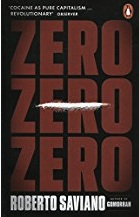
zerozero

What Passes Through Me

After my brother’s death, I wrote, “I need to live double.” That day I became a writer.

My brother died between the 3rd and 4th of October, sometime after the night had ended but before the next day had begun. It was in 1993 that an overdose killed him. He was 26 years old. I learned of his death the next morning. That day I wrote my two first lines as a writer: “I need to live double,” followed by, “Now, it’s up to me.”

Read the rest of the essay here, South 85 Journal.

It is time to pay more attention

It’s time for a pause in my teaching, which means that most of the students and I leave the lecture hall for fresh air, coffee or cigarettes. I go to the canteen and buy a coffee. Then I wait outside the lecture hall. A student approaches me and asks something about meditation. As I turn to her, another student bumps into me. I spill the coffee all over my shirt.

“Sorry, sir,” he says. “I didn’t see you. Honestly, I didn’t see you.”

… read the rest in The Mindful Word.

Blog at WordPress.com.

Up ↑