Åndens medium er stilheden

”Det narcissistisk-depressive subjekt hører kun ekkoet fra sig selv,” skriver filosoffen Byung-Chul Han i hans seneste bog I sværmen. Han fortsætter, ”Sociale medier som Twitter og Facebook skærper denne udvikling, det er narcissistiske medier.”

Vi lever i en narcissistisk tid. Og ligesom Narcissus så ”drukner” mange. Enten brænder de ud eller de bliver deprimeret, ifølge Han, er depression ”en narcissistisk sygdom.”

Buyng-Chul Han er født i Sydkorea i 1959, men rejste i sine unge år til Tyskland for at studere metallurgi. Dette studie var nu ikke andet end et røgslør, som Han brugte overfor sine forældre, så de ville lade ham rejse. I stedet for metallurgi påbegyndte han en anden karriere: filosofi. Han kunne hverken læse eller tale tysk på daværende tidspunkt, men ikke desto mindre er han i dag professor i filosofi og kulturvidenskab ved Universität der Künste Berlin.

I 2010 fik Han sit kommercielle gennembrud, da han udgav bogen Træthedssamfundet. Som titlen indikerer er der noget udmattende i tidsånden (læs mere her). Siden har han udgivet mere end ti bøger bl.a. Transparenssamfundet, der ligeledes er oversat til dansk. Størsteparten af Hans bøger er små hæfter med skarpslebne læsninger og tolkninger af samtiden. Han henter sin filosofiske inspiration hos Heidegger, Hegel, Nietzsche, Arendt Foucault, Barthes, Blanchot m.fl. som han applicerer på helt konkrete dagligdags emner, såsom internettet, informationstræthed, positivitetens ulyksaligheder, eksistentiel udmattelse, dræbende narcissisme, transparens, kommunikation, magt, psykopolitik og så videre.

I sværmen berøres alle disse emner, men bogen tager primært udgangspunkt i internettets sværm af informationer, ”likes” og billeder, der påvirker vores måde at tænke og føle på.

”Den digitale kommunikation nedbryder generelt alle distancer,” skriver Han. Hermed refererer han ikke kun til de fysiske distancer, som når jeg kommunikerer med min ven i Berlin, men også de mentale. ”Fraværet af distance fører til, at det offentlige og private sammenblandes.” Det private rum – dér, hvor jeg ikke er et objekt – forsvinder. Alt synes nemlig at blive et objekt midt i internettets sværmeri. Anonymiteten fordufter lige så stille. Det samme gør respekten, der netop forudsætter en vis anonymitet. Nogle vil måske hævde, at de ikke er anonyme, men derimod en del af et netværk af venner. Måske. Men ifølge Han, så udvikler disse virtuelle relationer aldrig et ”vi.” Vi er aldrig andet end narcissistiske øer. Internettet og dens digitale kommunikation, finder sted, nu, nu, nu. Dette fremmer mere kommunikation. Hele tiden. Hurtigere. Uden fordybelse. Internettet inviterer os til at oprette en profil, som vi derefter uophørligt optimerer. Jo flere ”likes” eller ”retweets”, desto bedre. Vi profilerer os hele tiden, som kåde hunde i løbetid.

Det er denne evige kamp om at blive nogen, som ”udvikler tvang med hensyn til præstation, selvoptimering og selvudbytning … Mere frihed betyder dermed mere tvang,” som Han skriver. Dette er ét af nutidens store paradokser, da tvang og frihed traditionelt ikke ynder at holde hinanden i hånden. Men faktum er: ”Nutidens præstationssubjekt er gerningsmand og offer på en og samme tid.”

I stedet for marxismens ide om klasser og efterfølgende kapitalens udbytning af os, udbytter vi i stigende grad os selv. Det er mere effektivt, fordi vi gør det, mens vi bilder os ind, at vi er frie. ”Det nye menneske fingererer i stedet for at handle. Det vil kun lege og nyde.”

Internettets sværmeri spolerer ikke bare vores naive antagelse om at være frie. Den gør os åndeligt mindre. Når intet selekteres, det vil sige, når alt blot konsumeres, produceres og distribueres på en og samme tid, så forsvinder det eksklusive. Sproget bliver eksempelvis fladere og fladere. Enten er det pil op eller pil ned, et smil eller fem tommeltotter. Ligeledes medfører kravet om transparens – gennemsigtighed – at alt fortroligt minimeres. Fuld transparens gøre politikere og andre beslutningstager mindre vovede. Det handler jo om at få mange likes – her og nu. Og ikke at ændre verden.

De, der nærer stor tiltro til internettets demokratiske muligheder, vil måske miste lidt af deres optimisme efter at have læst Han. For ham er internettet proppet med ligegyldig støj. Og som Han slår fast: ”Åndens medium er stilheden.”

Moralen er, at internettet gør os dummere, ikke smartere (apropos den falske varebetagelse af smartphones). Den digitale kommunikation forstyrrer. Den er additiv, ikke narrativ. På nettet handler det ikke om fortælle, hvorledes noget hænger sammen, hvorfor noget er mere sandsynligt end noget andet. Snarere handler det om at tælle. Antallet af følgere, venner, likes, retweets, etc.

Internettet giver selvfølgelig kendskab til alle mulige ting, men det fremmer ikke vores erkendelse. Enhver erkendelse er forbundet med noget smerteligt, noget negativt – og med tidens omklamrende positivitet er snart ingen erkendelse mulig. Hermed ikke sagt, at folk partout skal falde sammen med stress for at gøre sig nogle erkendelser omkring, hvad der er vigtigt i livet. Selve tilegnelse af viden, det at gøre sig nye erkendelser, kræver ikke bare mod, men også en masse hårdt – og til tider – smertefuldt arbejde. Er du i tvivl, så sæt dig ned og læs i Kierkegaards værker, eller læs David Foster Wallaces Infinite Jest.

Jeg kan kun anbefale Han. I sværmen inspirerer til lidt kritisk tænkning, men rummer også forløsning. Det er nemlig muligt, at stå imod samtidens udvikling, der i stigende grad reducerer os til smilende, lettere dumme, forbrugere.

Selvom bogen er kort, anbefaler jeg at tage den i et par bider. På den måde kan du selv teste og vurdere, om Hans ideer og tanker passer. Hive ham lidt modstand. Et sted skriver Han: ”Det er ikke ’næstekærligheden,’ men narcissismen, der behersker den digitale kommunikation.” Hvor mange tommelfingre, vil du give sådan en sætning?


Andetsteds har jeg skrevet om stress ud fra en socialpsykologisk tese, altså hvor samfundets idealer og normer har en stor del af “æren” for nutidens stressepidemi: Kan læses her. Moralen er, at det individuelle og sociale kan ikke adskilles.

Resisting the Self-Improvement Craze

“Selp-help books don’t work.” – Svend Brinkmann.

Svend Brinkmann, a professor of psychology, has written what I hope will be—but fear won’t be—the last self-help book. Contrary to the intentions of these books, they rarely help anyone but the publisher and, sometimes, the writer. It’s good business, Professor Brinkmann would agree.

Brinkmann’s Stand Firm: Resisting the Self-Improvement Craze is a paradoxical book. On the one hand, it’s billed as an “anti-self-help” book, while, on the other hand, it’s yet another self-help book. The author says, “The idea is that it will act as a kind of anti-self-help book, and inspire people to change the way they think about, and live, their own lives.” This description could fit any self-help book. Perhaps for this reason, he writes a few pages later, “Overall, the book should be read as a self-help book.” However, this one has a clear agenda: it tries to eliminate all other books in this genre.

In Stand Firm, Brinkmann presents seven steps to counteract the accelerating pace of contemporary culture and to find peace of mind. These steps are based on an easy-going reading of the Stoics and the philosophy of common sense. They are:

  1. Cut out navel-gazing.
  2. Focus on the negative in your life.
  3. Put on the “no hat.”
  4. Suppress your feelings.
  5. Sack your coach.
  6. Read a novel—not a self-help book or biography.
  7. Dwell on the past.

The first three steps are dualistic. Instead of looking inside ourselves, we should look outward. Instead of being positive all the time, we should cultivate our negativity. Instead of saying “yes” constantly, we should say “no” once in a while. It’s all about balance. Then, to emphasize this point, we are also encouraged to put a lid on our emotions—especially the more negative ones. Finally, we should just get rid of the coaches who tell us to look inside and be positive and authentic, and then we perhaps could read a novel, while we dwell on the past. Most novels, after all, deal with memories.

Thus, Professor Brinkmann encourages us to relax, that is, stand firm against the moralizing domain of change, movement, and development. “Mobility trumps stability in an accelerating culture,” he writes. Therefore, it has become difficult to put down roots or to achieve stability. How we then find balance, that is, know what is worth standing firm on and what is not, is probably the task that this professor finds most difficult to address. So, in a sense, he only helps the reader half of the way.

Stand Firm places itself in the continuation of the Frankfurter School and critical theory, with the main enemy identified as capitalism. This diagnosis of an improvement-obsessed culture is well-argued and solid, but it doesn’t add up to anything new. We can find more or less similar diagnoses in other self-help books or literature on mindfulness. However, Brinkmann’s errand isn’t so much a critique of capitalism as it is of positive thinking. His claim is that this pop psychology approach doesn’t lead to a richer life. On the contrary, what we need is a dose of negativity.

This particular fight against positive thinking is what makes Brinkmann’s book innovative, mainly because his critique of the self-improvement craze is formulated in the tone of those business consultants who push positive thinking. He uses their own vocabulary against them. This makes his ideas easier for the reader to follow because the vocabulary is familiar, but it also serves to keep the conceptual framework of the book rather simple (cf. the traditional self-help book).

Personally, I miss a deeper understanding of concepts such as self, time, character, and introspection. And, perhaps more importantly, as mentioned above, I’d like to read Brinkmann’s thoughts on what I should stand firm on in a metaphysical, changeable world. Yet, my frustrated interests stress that, like most self-help books, this advice is addressed to a privileged reader, who seems more bored with, and confused about, life rather than really suffering.

Let me clarify this point further. For instance, many people can’t just say “no” at work because they can’t afford to lose their income. Also, since Brinkmann refers to our duty to do good deeds, then when is it right to be tolerant and when is it right to express our disagreement with those who are intolerant? Imagine that we witness sexism or discrimination in our organization, what is our duty as good employees? What is our duty if we are also a father or mother and, therefore, also a primary supporter of our family?

Based on the examples in the book, the ideal reader doesn’t suffer financially. For example, we are encouraged to discipline ourselves by avoiding an extra glass of wine or desert, not cheating while playing golf, or taking the bus instead of our car. I recall a classic self-help book about a man who sold his Porsche . . . To continue, Brinkmann suggests that we should visit a museum once a month, as well as reading at least one novel per month. This tells us something about who he expects to read his book.

Still, I have respect for this author’s project. I think that Brinkmann shows courage in writing this self-help book disguised as an anti-self-help book. Also, more importantly, his work as an academic—a highly-respected professor at a good Danish university—give his words more weight. He legitimizes the idea that it’s okay to be negative and so on. He deserves a big round of applause for this undertaking. This book will without doubt help many people who are caught in our current performance society.

Yet, some other questions emerge: How can we know when to say no if we are encouraged not to reflect or engage in introspection (i.e., steps one and three)? Philosophical self-knowledge has nothing to do with the navel-gazing that he so rightly attacks, but this knowledge is needed to minimize self-deception. Also, how do we know what is our duty? What is right or even morally good in society? Morality is related to knowledge that changes over time. For example, people now rarely beat their children to educate them because this doesn’t cultivate caring and curious individuals. These norms are human artefacts that can be rejected. Similar, we might ask: How do we dwell on our past and write our story without at least a little self-reflection? Or, even more clearly, if we should avoid the cliché of being authentic, then how does this interact with Brinkmann’s ideas about creating a coherent character?

In most self-help books, we are often encouraged to locate a narrative thread in our life to develop a trustworthy character. These threads can be rather inventive ways to suit personal agendas. Personally, I doubt whether life isn’t more a zig-zag movement of becoming another, rather than staying predictable. In the end, this is a rather conservative book with elements of nostalgia, but perhaps this is needed.

I wonder, still, whether it’s sound advice to encourage people to be too polite to be honest if this violates their duty. I prefer to resist conformity by creating alternatives, whereas Brinkmann tends to come close to advocating passive nihilism. For instance, he writes, “People have to adapt to the world around them.” This sound like resignation, not acceptance. Furthermore, this advice sounds like the business consultant adage that, instead of following “best practices,” sell the “best fit.” This is also not without problems. Perhaps, the professor has written af selfmanagement book?

Is it a problem that this book is both against the wellness syndrome but also part of it? I’m not sure. What Brinkmann’s advice lacks in precision, might also gain it more popularity, and his message is needed. I fully support his critique of the self-help industry and the current “terror of positivity,” as Byung-Chul Han once called it.

Thus, despite these critical remarks, my questions actually show this book’s quality. Unlike other self-help books, this invites us to question and think. So, perhaps what it offers really is more anti-self-help than self-help. I do truly hope that this will be the last self-help book. I hope so because Brinkmann’s advice is far better than the majority in this genre.

Therefore, if you have a coach, then sack him or her. Do it, and do it now. Then, go to the library or local bookstore and get yourself a novel. Read. If you’re not convinced, then read Dr. Brinkmann’s book. Give it to a colleague and so forth. Then, perhaps one sunshiny day, the libraries and bookstores will be full of novels, essays, and poetry instead of . . . yet, another self-help book camouflaged as anti.

I recommend Stand Firm for those who are tempted by the self-improvement craze.

Love and care in the present moment – the philosophy of Arne Næss

I’m not much interested in ethics or morals. I’m interested in how we experience the world.” – Arne Næss.

As a student of philosophy, I read the Norwegian philosopher Arne Næss’s books. He wrote in an engaging and clear style that demonstrated deep philosophical breadth and he invited the reader to think along with him.

One of his strengths as a philosopher was this inviting, almost conversational style, which was related to his intuitive approach to life. By “intuitive,” I refer to something necessary—an open approach in which you follow life wherever it takes you, because it leaves you no possibility of escape.

Read the rest of the essay at The Mindful Word.

The most brilliant philosopher?

Who is the most brilliant philosopher of all time?

It’s a question that forces us to try to answer what can’t be answered. This can be a healthy exercise if we look beyond the unhealthy part—ranking everything, which is so popular today. Still, we can begin with what makes a philosopher brilliant: his or her capacity to think. This is what makes me see, notice, and become aware of things that I can only perceive with their help. Their brilliance lies in the fact that the only true form of creation is the act of thinking. Those closest to my mind, I find, are Nietzsche and Kierkegaard, but, without doubt, the French philosopher Gilles Deleuze is the one I have found to be the most brilliant. He is original in an extremely creative, yet compassionate and caring way. He is ethical without being normative—which I’ll get back to later.

Unlike most thinkers in the French post-World War II period, he didn’t return to Heidegger but, instead, dealt with Hume and Bergson, as well as Nietzsche and Spinoza. However, what makes him most interesting, among other things, is that he operates within a metaphysic of change or becoming, whereby he avoids the question of being that typically breaks the flow of our thoughts. Becoming is liberating since it resists the existing ideals and norms—or, at least, it doesn’t stop with them—and it is liberating because it dares to imagine another future. Deleuze resists this quagmire because he challenges how we tend to see thing, including challenging the history of philosophy. He even reads Nietzsche and the novelist Proust in a new way.

Deleuze is also ethical because of his utopian philosophy, in which utopia isn’t a good place that is inexistent but rather a now-here place. By paying attention to what happens now, he can decide what to actualize, that is, what to pass on to the next generation. He never settles, which to some can seem stressful and strenuous, but the point is that he can go on thinking. He frees what is kept imprisoned, for example, rigid identities or ideologies and ways of assuming how things are. In his book on Nietzsche, Deleuze writes, “The world is neither true nor real but living.” He then goes on to say that the living world is the will to power, which he translates into a will to create, that is, a will to evaluate, decipher, explicate, and, in short, to think.

The question was originally posed here.

See also Who Killed Gilles Deleuze?

Indfør et filosofikum i folkeskolen

Skoling i filosofi og kritisk tænkning bør ikke kun være universitetsstuderende forundt. Hvis vi skal sikre demokratisk engagement og væbne os mod fake news og manipulation skal vi i gang allerede i folkeskolen.

De falske nyheder er blevet en ustoppelig nyhed i sig selv. Lidt komisk kunne man spørge, hvorvidt nyhederne om de falske nyheder er sande. Det er som om, at jo mere der tales om falske nyheder, desto mere rigtigt må problemet være.

Ikke desto mindre er det svært at afgøre, hvilke nyheder, der er sande eller falske. Den objektive journalist findes ikke. Alt vinkles og drejes for at underbygge en tese, en ide, en påstand eller på grund af hensyn til ens egen karriere eller øvrige interesser.

Spørgsmålet om sandhed har altid været befængt? Der er noget frelst og totalitært over at hævde at have adgang til sandheden. Af samme grund synes mange at være villige til at deponere ansvaret for nyhedernes faktuelle sandhedsværdi hos Facebook eller medierne generelt. Enkelte hælder til en politisk beslutning. Kun ganske få synes at mene, at det er borgernes ansvar.

Jeg mener i høj grad, at det er borgernes ansvar. Men før borgerne kan tage ansvar, må de tilbydes nogle kvalificerede redskaber, der kan hjælpe dem med kritisk at analysere og reflektere over, hvorvidt det, der siges, er sandt. Eller om vedkommende, der siger det, mon ikke har en underliggende dagsorden.

Hvis man vil give borgerne de redskaber, er en mulighed at genintroducere det for længst begravede filosofikum. Dog ikke på universitetsniveau, som bl.a. Søren Pind foreslog for nylig, men fra første dag i folkeskolen. Et sådan kursus skal ikke kun fokusere på etik, som to etikere fra RUC sjovt nok foreslog i Politiken. Etik handler om hvad der er godt og ondt, hvilket ofte også er rigtigt og forkert. Det er forkert at slå sine børn, fordi det er ondt, og det er ondt, fordi de ikke fremmer læring eller kærlige individer. Tilsvarende vil en religiøs person mene, at noget er godt eller ondt, fordi det står i Koranen eller i Biblen. Men hverken Koranen eller Biblen er mere rigtig eller forkert end Søren Kierkegaards bøger. Det er blot to bøger, som for mange betyder enormt meget, men antallet af tilhængere gør stadigvæk ikke bøgerne rigtigere end så meget andet. Sagt anderledes: Der er flere, som køber bøger af Jussi Adler-Olsen end af Olga Ravn, men det betyder ikke partout, at hans bøger er bedre, mere rigtige og sande. Selvfølgelig ikke.

Et filosofikum bør præsentere filosofi. Ud over etik vil det sige, videnskabsteori, kritisk tænkning og æstetisk.

Det som filosofien tilbyder ud over indsigt i, hvad der er viden, hvad der er mere rigtigt end forkert, er en tilgang til verden. En tilgang, som er spørgende og undersøgende. En nysgerrig og åben tilgang, der løbende øger vores engagement. Eller fastholder engagementet. Og netop engagement er noget af det, som mangler.

Hvis folk er engageret i samfundet, vil de også helt naturligt sætte spørgsmålstegn ved noget af det, som bliver sagt. De vil undersøge argumenterne. Hænger logikken sammen? Stemmer dette billede overens med, hvad andre siger, ser, hører, beretter? Den engagerede vil kigge efter alternative kilder.

Vi skal lære at tænke

Den demokratiske proces begynder allerede i familien, dernæst i skolen. Måske ikke alle familier kan kultivere en kritisk tænkning. Jeg kommer selv fra et hjem, hvor der kun var få bøger, og hvor ingen kendte til forskellen mellem en klaver og et piano. Men skolen kan. Eller sagt mere moraliserende: Den skal.

Hvorfor skulle jeg betale skat og sende min børn i skole, hvis den ikke kan lære noget af det mest basale, men også det allermest vigtige: at tænke. Filosoffen Hannah Arendt påpegede at ondskabens største problem er, at folk ikke tænker. Hermed mener jeg, at de ikke stiller spørgsmål, undrer sig, reflektere, undersøger.

Filosofi burde være på skoleskemaet fra første klasse og ikke noget, der introduceres for de privilegerede få, der eventuelt skal læse videre. Filosofi skal ind med alfabetet, hvis ikke vi ønsker at skabe en akademisk elite, der måske nok er forfærdeligt klog, men som ikke besidder empati nok til at forestille sig, hvorfor andre kan stemme, gøre, sige, mene, føle noget andet, end den selv gør. Ignorance eller uvidenhed har altid været uacceptabelt i filosofien.

Filosoffen er den, der ønsker at forstå, fordi han eller hun ved, at der er meget, som vedkommende endnu ikke ved. I denne erkendelse ligger selvindsigten, som minimerer risikoen for selvbedrag. Sagt anderledes: Hvis du tror på alt, hvad du læser, så er det ikke Facebooks eller Informations skyld, men din egen. Tænk dig om.

Og hvis dette er svært, så bliver det at tænke et fælles anliggende.

Denne kommentar blev bragt i Information den 25. februar 2017.


One World

In One World Now: The Ethics of Globalization, Peter Singer, an Australian moral philosopher, discusses humanity’s shared ethical responsibility and sovereignty. We live in a global world that—unlike the older term “internationalization” conveys—emphasizes that we are moving; that is, “moving beyond the era of growing ties between states,” he says.

Within his text, Singer addresses a central question: is the nation state loosing sovereignty? Perhaps. Should it? Yes, according to Singer. And he makes a strong case for overcoming it. Whether or not the nation state is losing its sovereignty is a difficult question to answer.

Read the rest of the review at Metapsychology.

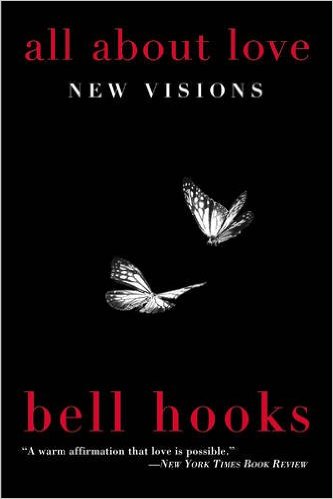
All about love

Many years ago, I ended my first book with a reference to the lyrics of Massive Attack’s song “Teardrop”: “Love is a verb, a doing word.” I make a habit of never re-reading my own work, but I was again reminded of that song while I was reading Bell Hook’s lovely treatise on the transformative power of love.

In All About Love: New Visions, Bell Hooks or—as in all her books, her name isn’t capitalized—bell hooks argues that love is what liberates us and others. She says it’s about time that we defined and understood love. For example, love is not something mystical, an excuse for losing all control, or—even worse—those times when we hurt someone out of love. Just imagine the parent who abuses his or her children yelling, “I hit you because I love you!”

“Love and abuse cannot coexist,” bell hooks says. I love her from saying so, with such argumentative strength that this is clearly non-negotiable.

In this way, hooks also lifts love from an individual to a social issue. We are formed by the society we live in. Therefore, unless we become conscious of our blind spots and fight to get rid of them, we might reproduce a misunderstanding of what love is and how to live and practice love.

“To maintain and satisfy greed, one must support domination. And the world of domination is always a world without love,” hooks writes. Just think of Trump. Is he alone the real problem, or is it the mentality or ideology that put him in power?

Hooks emphasizes that our current culture is full of greed and exploitation—not only sexual or gender exploitation but also racial and economic. She mentions how former president Bill Clinton’s sexual relationship with an intern exposed a fundamental flaw in his self-esteem and how easily such behavior was accepted or objections to it silenced.

Hooks offers us a useful definition of love that she takes from M. Scott Peck’s The Road Less Traveled. “Love is the will to extend one’s self for the purpose of nurturing one’s own or another’s spiritual growth.” In other words, love is not something that we simply activate by pushing a button. Rather, love is something we must learn. Important ingredients are care, trust, respect, affection, and honesty. Hook adds, “When we are loving, we openly and honestly express care, affection, responsibility, respect, commitment, and trust.”

As a parent, teacher, or adult, we are responsible to teach and cultivate love. This also means addressing situations in which we see love being violated, for instance, if some parents—or partners—use violence to express love. It’s not love. It’s violence and abuse.

“There can be no love without justice,” hooks writes. This means that parents and teachers should treat children with respect. My children are not my property. They are individuals that I have a responsibility towards, ensuring that each of them—with “them” being the operative word—is capable of giving and receiving love. This also illustrates the need to find the balance between setting limits and nurturing free expression. So, without justice, love can’t exist. It resembles Plato’s idea of the Good, which is right, just, and beautiful. Hooks is an idealist about love.

Hooks’s narrative is a mixture of a personal memoir, in which she refers to her own friends or relationships, and an ongoing dialogue with psychologists and spiritual thinkers. She has an especially critical outlook on sexist stereotypes that extend back to Eve and Adam, in which women, just by being females, were—or are!—less likely to tell the truth. After all, as the story goes, Eve did lie to God. However, who cares about this since God now is dead? I find that many care because, although we may not believe in any transcendent being, the idea still colors our culture and many people’s behavior.

Although I don’t mind setting love and freedom up as ideals—basically, because I can’t come up with any two virtues of more importance—I still think that hooks tends to moralize. Since I agree with her basic arguments, the challenge is to know when, or if, she takes her points too far. For example, she is apt to describe men as one homogenic mass, perhaps because of her stated agenda. She writes, “most men tend to be more concerned about sexual performance and sexual satisfaction than whether they are capable of giving and receiving love.” Here she falls for what is a stereotypical cliché, regardless of if this appears to fit scores of American men. Even in the United States, I believe that there are as many ways to be a man as there are to be a woman.

Basically, hooks describes men as rather primitive animals that hardly know how to show emotion, sounding like a popular journalist writing about Mars and Venus rather than grounding her discussion in facts. I have much sympathy for those wanting to get back at men, but this undermines her project since she doesn’t live up to her own philosophy. Love can only liberate us if we think beyond individual identity and experience. Even as I say this, I can’t help adoring bell hooks’ work. She also has written one of the best books on feminism, in which she stresses that men are not the problem but sexism and exploitation are.

For me, capitalism is the main evil and the cause of racial and gender inequalities. We all know that disparities and discrimination still exist. We know that a white patriarchal president at this moment reigns in the United States. We all know that he’s a racist and sexist who, I think, actually fears losing the fictional privileges he sees as due to him because of his gender and skin color. However, fortunately, far from every man is like him. I know I say this from a privileged position of being a Scandinavian brought up with a high level of equality (unfortunately, even Scandinavian countries now have a rising number in intolerant politicians and citizens), yet I also only need to look out my window here in Barcelona, Spain, to see that sexism, exploitation, and domestic violence are part of daily business.

I stand by hooks regardless of her stereotypical descriptions of men, and I am inspired by her overall idea that love should be first defined and then understood so that we can finally learn how to practice it. We can actively decide whether we really want to love this or that person. Believing this is impossible reduces humans to beings purely made up of lust and desire, whereas—as Spinoza said—we are a mixture of reason and emotions.

Thus, hooks advises us to stop saying, “I am in love,” and, instead, to say, “I am loving” or “I will love.” Emphasizing love as a verb and not as a noun requires courage. She writes, “as long as we are afraid to risk, we cannot know love.”

To love is to accept that no promises can be kept in life. All we can do is to live life to the fullest so that we, one day, can die without regrets. This echoes Plato’s idea that knowing how to live is also knowing how to die. As hooks might say, knowing how to love is also knowing how to die. I hereby warmly recommend All About Love.

all-about-love

Riverbed

In 2014, artist Olafur Eliasson exhibited Riverbed at the Louisiana Museum of Modern Art. Riverbed is a rocky landscape placed inside the museum. This work has nature and culture folding around one another to an extent that illustrates that everything is culture. The work challenges the participators both physically and mentally, as it facilitates intimate contact with the sounds of the water running through the riverbed, the smell of the wet rocks and the gleam of light reflected on the wet rocks, and challenges your bodily balance as you walk up the hill or try to balance on the slippery or rolling rocks—all of it becomes significant.

In an interview, Eliasson mentions how the landscape appears dead, except for the little stream of water that passes through it. The movement of the water makes the work dynamic. The movement brings life. Yet the water doesn’t come or leave; it just moves and thereby touches the participants. It comes from nowhere, going anywhere. The work is a meditative contemplation addressing time as movement and as duration, not linear sequences that can be split up. It doesn’t lead to a result; it can’t be passed toward something better; on the contrary, time passes. As an internal process, “The walking time is unfolded,” says the artist.

riverbed-by-olafur-eliasson

Riverbed takes place in-between the coming and going. How aware are you of what is happening right here and now? What comes into being? What passes? How do you relate to what is happening? Is your perception already affected by strong beliefs or ideas? Can you only relate in a certain way because of past memories, external pressure or fantasies? Can you meet the world unarmed?

These questions circle around establishing a belief in this world, where our belief is connected with the actual moment, not a projection. The work Riverbed may help us from solely thinking about art as an object of our thinking to having a territory, that is, it makes us think.

A river, like a piece of art, has a past form, a present form and, perhaps, a form to come. It depends on our involvement. This involvement is ethical, I propose.

For example, Gilles Deleuze’s ethic is one of the events; not the present understood as an object, but the present living moment stretched in-between, “What is going to happen? What has just happened … never something which is happening.”

What is happening, therefore, is always a mixture of no longer and not yet. This is why Deleuze says that philosophy is mixture of crime and science fiction, dealing with what has just happened as well actualizing.

Art can teach us a lot about ethical involvement.

A Life Less Painful

My brother died the third of October, 1993. Or maybe he died the day after, on the fourth of October. Does the date really matter?

Death is death. It awaits us all.

My brother, whose name was Jesper, died at the age of twenty-six, someday in October, somewhere in Denmark.

Read the rest of the essay in the Foliate Oak Literary Magazine

Blog at WordPress.com.

Up ↑